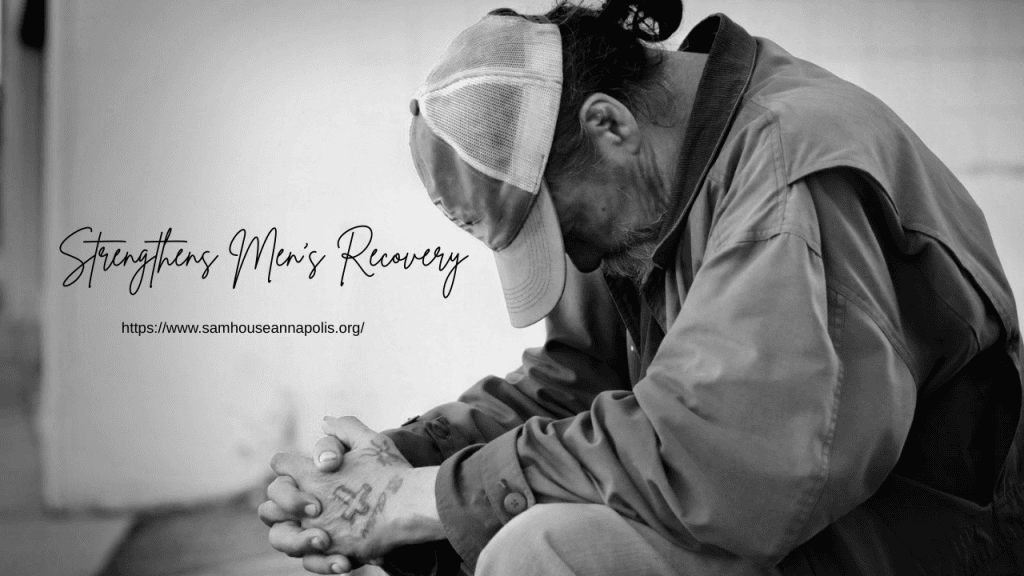
Addiction thrives in silence and isolation. For many men, the weight of addiction is compounded by an internal battle to appear strong, self-reliant, and unshaken. These expectations often prevent them from reaching out for help, leaving them trapped in cycles of secrecy and shame. Yet, the path to recovery is not one of hiding pain but of opening up. At Samaritan House Annapolis, we believe that embracing vulnerability is one of the most powerful tools men can use to transform isolation into connection, and addiction into lasting recovery.
Why Vulnerability Matters in Recovery
Vulnerability is often misunderstood as weakness. In truth, it is the courage to be authentic, to share struggles, and to ask for support. For men in recovery, vulnerability creates the foundation for emotional healing. When men allow themselves to open up, they can begin to release shame, reduce stress, and build meaningful relationships that support long-term sobriety.
Addiction treatment is not only about breaking physical dependence. It is also about restoring mental health, building resilience, and redefining what it means to be strong. Vulnerability is the bridge that connects men to these deeper layers of recovery.
The Shift from Isolation to Connection
Breaking Down Barriers of Silence
Many men enter treatment believing they must face recovery alone. At Samaritan House, our counselors and peers create safe spaces where clients can share openly, without fear of judgment. Speaking honestly about struggles dismantles the heavy barriers of silence and reminds men they are not alone in their journey.
Building Trust in Community
Recovery thrives in community. In both inpatient and outpatient care, group therapy and peer support sessions allow men to practice honesty and mutual encouragement. These connections help men replace isolation with trust and accountability, both of which are essential for lasting sobriety.
Strengthening Emotional Resilience
Vulnerability does not erase challenges. Instead, it equips men with the ability to face difficulties with honesty and clarity. By practicing openness in therapy and daily interactions, clients develop emotional resilience, making them better prepared to handle stress without returning to substance use.
A Holistic, Faith-Based Approach to Healing
At Samaritan House Annapolis, we integrate evidence-based therapy with holistic and faith-based approaches to address the whole person: mind, body, and spirit. Spiritual growth offers men a renewed sense of hope and belonging, while holistic practices such as mindfulness and physical wellness strengthen balance and focus. These practices reinforce the benefits of vulnerability by helping men align their inner healing with their outward recovery.
Practical Steps to Embrace Vulnerability
Men who are ready to move from isolation to connection can begin with small but meaningful steps:
1. Speak Honestly in Therapy
Sharing personal struggles with a counselor creates a safe foundation for growth.
2. Connect with Peers
Engaging in group sessions builds community and reminds men that recovery is a shared journey.
3. Practice Self-Compassion
Replacing self-criticism with kindness toward oneself reduces shame and builds confidence.
4. Lean on Faith and Purpose
Spiritual practices can offer strength, guidance, and comfort in moments of vulnerability.
The Courage to Connect
Choosing vulnerability is an act of courage that transforms recovery from a solitary battle into a shared journey of healing. At Samaritan House Annapolis, we walk alongside men as they break free from isolation and discover the power of connection. If you or a loved one is ready to take the next step toward healing, we invite you to reach out today. The path to sobriety begins with openness, honesty, and the courage to be seen.