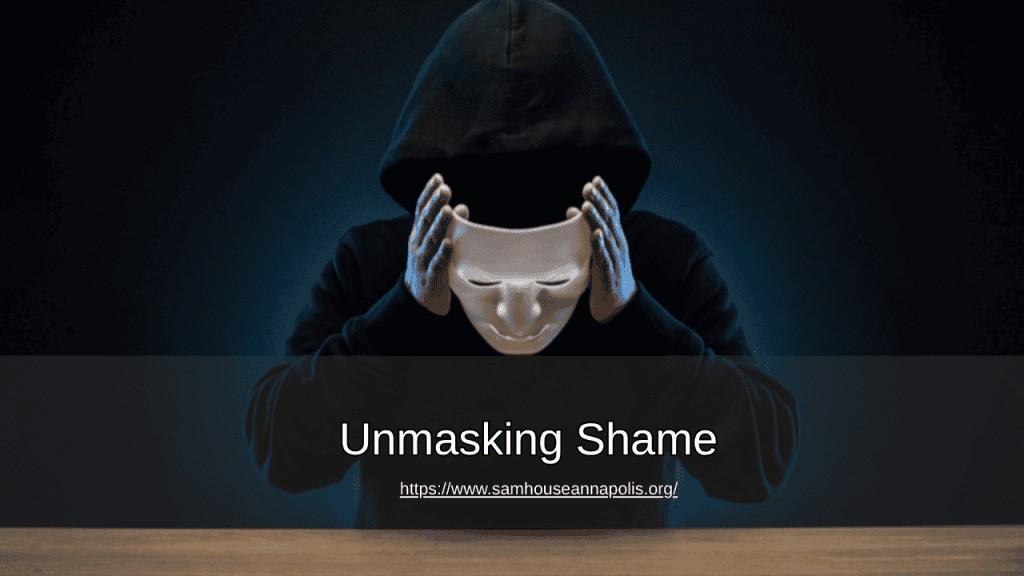
For many men facing addiction, silence becomes a shield. Society often teaches men to hide pain, suppress emotion, and appear strong at all costs. Yet, behind that mask, shame quietly grows. In recovery, shame can become one of the biggest barriers to healing, keeping men isolated and afraid to reach out. True recovery begins when men learn to take off that mask and embrace vulnerability as a source of strength. At Samaritan House Annapolis, this transformation is at the heart of healing—where compassion, community, and faith guide men toward lasting recovery.
Understanding the Role of Shame in Addiction
Shame is a powerful emotion that often fuels the cycle of addiction. For many men, feelings of failure, guilt, or inadequacy become too painful to confront directly. Substances can temporarily numb these emotions, but they also reinforce the idea that vulnerability is weakness. Over time, shame deepens, creating isolation and self-criticism that make recovery even harder.
Recognizing shame for what it is—a normal human response, not a personal flaw—is the first step toward breaking free. Recovery programs that address shame with compassion and understanding can help men rebuild self-worth and develop healthier coping strategies.
The Healing Power of Vulnerability
Letting Go of the “Tough Guy” Image
Cultural expectations often tell men to “be strong” and “keep it together.” But recovery requires honesty, openness, and humility—all qualities rooted in vulnerability. Sharing one’s struggles and emotions is not a sign of weakness but a courageous act of strength.
At Samaritan House Annapolis, men are encouraged to open up in a supportive, judgment-free environment. Through group therapy, spiritual guidance, and peer accountability, participants discover that vulnerability fosters genuine connection and trust. These bonds often become the foundation for lasting sobriety.
Building Emotional Resilience
Vulnerability also helps men develop emotional resilience. By learning to name and process their feelings rather than avoid them, individuals gain control over their emotional responses. This self-awareness is key to managing triggers and preventing relapse. Over time, vulnerability transforms from a source of fear into a powerful tool for personal growth.
A Holistic and Faith-Based Path to Healing
Addiction affects more than the body—it impacts the mind and spirit as well. Samaritan House Annapolis integrates holistic and faith-based approaches to help men heal on every level. Through evidence-based therapies, spiritual reflection, physical wellness programs, and community engagement, men learn to reconnect with themselves and others.
Faith-based recovery also helps men find meaning beyond their pain. It reminds them that they are not defined by their past but by their potential to grow and serve others. Vulnerability becomes not just a personal practice but a spiritual one—an expression of honesty, humility, and hope.
From Shame to Strength: The Path Forward
Healing from addiction means more than achieving sobriety—it means rebuilding a life rooted in authenticity and purpose. As men learn to unmask shame and embrace vulnerability, they begin to experience deeper relationships, greater emotional balance, and a renewed sense of purpose.
Every story of recovery at Samaritan House Annapolis reflects this truth: strength is not the absence of struggle but the courage to face it openly.
Take the First Step Toward Healing
If you or someone you love is battling addiction, remember that silence and shame only keep you trapped. True strength comes from reaching out for help and allowing others to walk beside you in recovery. At Samaritan House Annapolis, men find more than treatment—they find a brotherhood built on compassion, faith, and shared healing.
Reach out today to begin your journey toward freedom and rediscover the strength that comes from vulnerability.