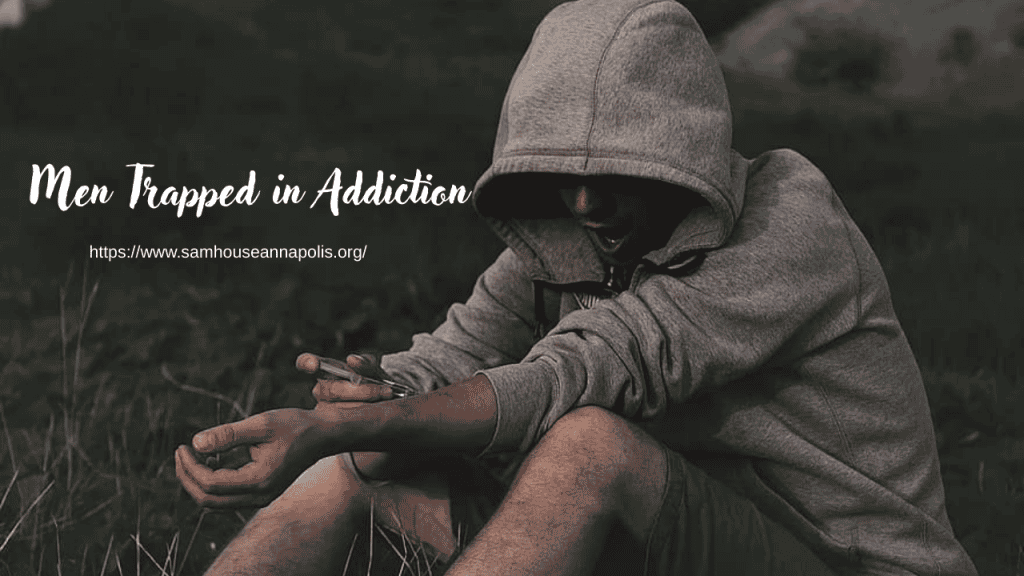
Addiction is more than a physical dependence on substances. For many men, it is fueled by a silent and pervasive force: shame. This deeply ingrained feeling convinces men that they are flawed, unworthy, or weak for struggling with addiction. It keeps them isolated, reluctant to seek help, and trapped in cycles of destructive behavior. At Samaritan House Annapolis, we understand that addressing shame is a crucial step toward recovery. By confronting these emotional barriers, men can begin to heal, rebuild self-esteem, and reclaim their lives.
Understanding the Role of Shame in Men’s Recovery
Shame is different from guilt. While guilt focuses on actions, shame attacks identity. A man may feel, “I am a failure,” instead of “I made a mistake.” This internalized belief can prevent men from seeking treatment, sharing their struggles, or even acknowledging the severity of their addiction.
Men are often socialized to hide vulnerability and maintain an appearance of toughness. These societal expectations make it even harder to speak openly about addiction. When left unaddressed, shame reinforces isolation, intensifies stress, and increases the risk of relapse.
Breaking the Cycle Through Emotional Honesty
Creating Safe Spaces for Expression
Recovery requires a space where men can speak freely without fear of judgment. At Samaritan House, we provide both inpatient and outpatient programs designed to foster trust and emotional safety. Individual counseling, group therapy, and peer support sessions allow men to confront shame head-on and share their experiences openly.
Building Connection and Accountability
Isolation fuels shame, but connection combats it. Peer support groups and therapy sessions provide accountability and reassurance that men are not alone in their journey. Sharing struggles in a supportive environment promotes understanding, strengthens bonds, and reinforces the commitment to sobriety.
Redefining Strength
True strength is not silence or self-reliance alone. It is the courage to face difficult emotions and seek help when needed. At Samaritan House, men learn that emotional honesty is a form of resilience. By embracing vulnerability, they redefine masculinity as a combination of courage, accountability, and empathy.
Holistic and Faith-Based Healing
Samaritan House Annapolis approaches recovery through a holistic and faith-based lens. This model integrates clinical therapy with spiritual guidance and wellness practices:
- Faith-Based Support: Encourages men to find purpose, hope, and guidance through spirituality.
- Trauma-Informed Therapy: Helps clients process past experiences and address emotional triggers.
- Mindfulness and Physical Wellness: Promotes balance, reduces stress, and strengthens resilience.
This comprehensive approach ensures that men not only address the physical and psychological aspects of addiction but also rebuild emotional and spiritual well-being.
Practical Steps to Overcome Shame
Men can take actionable steps to address shame and support recovery:
1. Seek Professional Support
Engage in individual therapy to safely explore and express difficult emotions.
2. Participate in Peer Groups
Connect with other men in recovery to share experiences and build accountability.
3. Practice Self-Compassion
Replace self-criticism with kindness and understanding toward oneself.
4. Integrate Spiritual and Wellness Practices
Mindfulness, prayer, and physical activity reinforce emotional resilience and self-awareness.
Moving Beyond Shame
Shame should not dictate a man’s future. By confronting this silent epidemic with emotional honesty, support, and holistic care, men can break free from addiction and reclaim their lives. At Samaritan House Annapolis, we offer compassionate, individualized care designed to address both the practical and emotional aspects of recovery. If you or a loved one is struggling with addiction, take the first step today. Reach out to learn more about our inpatient and outpatient programs, mental health support, and faith-based recovery options. Recovery begins when men replace shame with connection, courage, and hope.