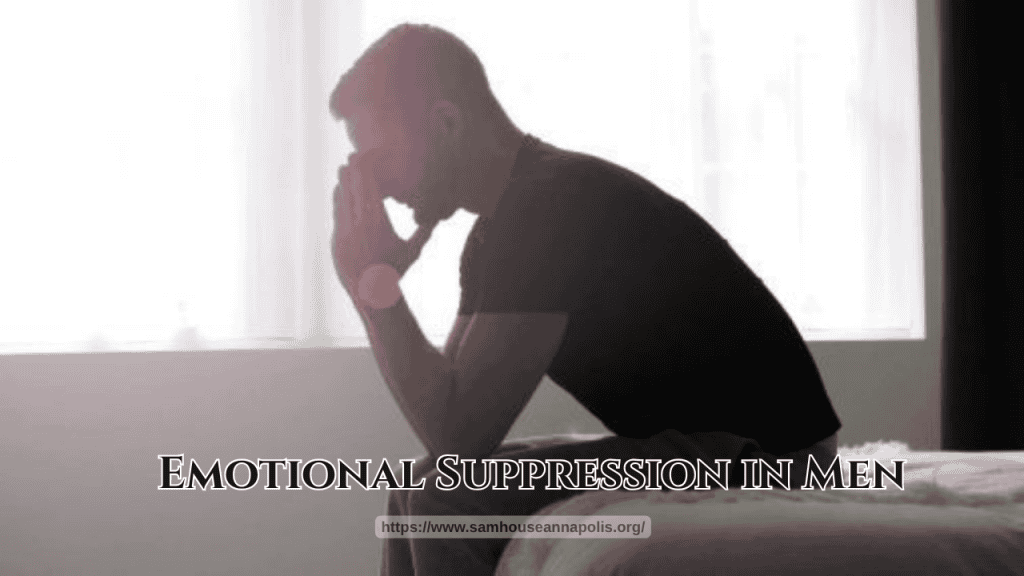
Addiction is often a silent struggle, especially for men. Societal expectations teach men to be strong, self-reliant, and stoic, discouraging them from expressing vulnerability or seeking help. Yet, research and clinical experience show that emotional suppression can intensify substance use and hinder recovery. At Samaritan House Annapolis, we emphasize that speaking up about emotions is not a sign of weakness but a critical step toward lasting sobriety. Openly addressing feelings allows men to break the cycle of isolation, build supportive relationships, and regain control of their lives.
Understanding Emotional Suppression in Men
The Pressure to Be Strong
From an early age, men are often conditioned to hide pain and maintain a facade of toughness. While this may offer short-term resilience, it can lead to long-term harm. Suppressed emotions increase stress, perpetuate anxiety and depression, and often contribute to relapse.
The Link Between Emotions and Addiction
Unprocessed emotions frequently drive addictive behaviors. Men may turn to alcohol, drugs, or other compulsive habits to numb feelings of shame, guilt, anger, or sadness. Without safe outlets for expression, these emotions remain unresolved, creating a cycle of dependence that becomes harder to break over time.
The Life-Saving Power of Speaking Up
Building Connection and Support
Sharing emotions with counselors, peers, or trusted family members allows men to experience understanding and empathy. At Samaritan House, group therapy sessions and one-on-one counseling provide structured opportunities for men to express themselves in safe, nonjudgmental spaces. These connections reduce isolation, build trust, and create a network of support that is vital for recovery.
Enhancing Accountability and Resilience
Speaking openly about challenges fosters accountability. When men verbalize their struggles, they are more likely to take proactive steps to maintain sobriety and seek guidance when needed. Emotional honesty also strengthens resilience by helping men recognize triggers and develop healthier coping strategies.
Holistic and Faith-Based Approaches to Emotional Health
Samaritan House Annapolis integrates mental health care, addiction treatment, and faith-based guidance to support emotional expression:
- Inpatient and outpatient programs provide structure and consistency while addressing individual needs.
- Trauma-informed therapy helps men process past experiences and regulate emotions effectively.
- Faith-based support fosters purpose, hope, and spiritual grounding during recovery.
- Wellness practices such as mindfulness, exercise, and healthy routines enhance emotional balance and overall well-being.
This comprehensive, individualized approach ensures that men not only address substance use but also rebuild emotional strength and self-awareness.
Practical Steps for Speaking Up
Men can begin to embrace emotional honesty through simple, actionable steps:
1. Engage in Therapy
Individual and group sessions offer a safe environment to express thoughts and feelings.
2. Build Peer Connections
Joining supportive communities allows men to share experiences and learn from others who have faced similar challenges.
3. Practice Self-Reflection
Journaling or mindfulness exercises help identify emotions and foster emotional intelligence.
4. Communicate with Trusted Loved Ones
Sharing challenges with family or friends strengthens bonds and encourages mutual support.
Speaking Up is a Step Toward Life
Emotional expression is a vital component of recovery. Men who embrace vulnerability, share their struggles, and seek support are more likely to maintain sobriety, build meaningful connections, and achieve long-term wellness. At Samaritan House Annapolis, we provide compassionate, individualized, and faith-based care that empowers men to speak openly, process emotions, and reclaim their lives. If you or a loved one is ready to take the next step, reach out today. Speaking up can save lives and open the door to a brighter, sober future.